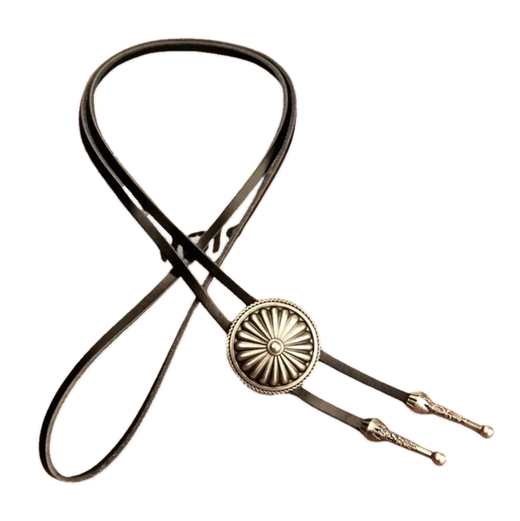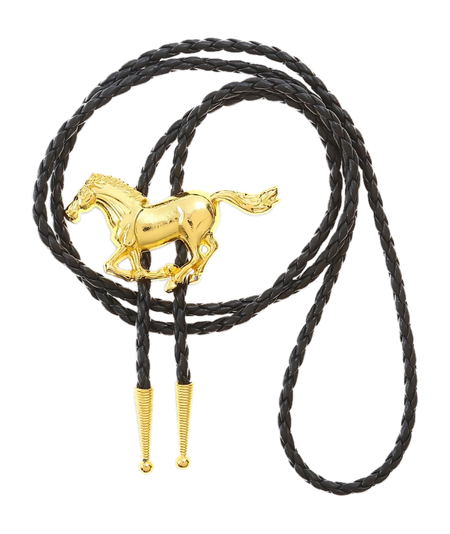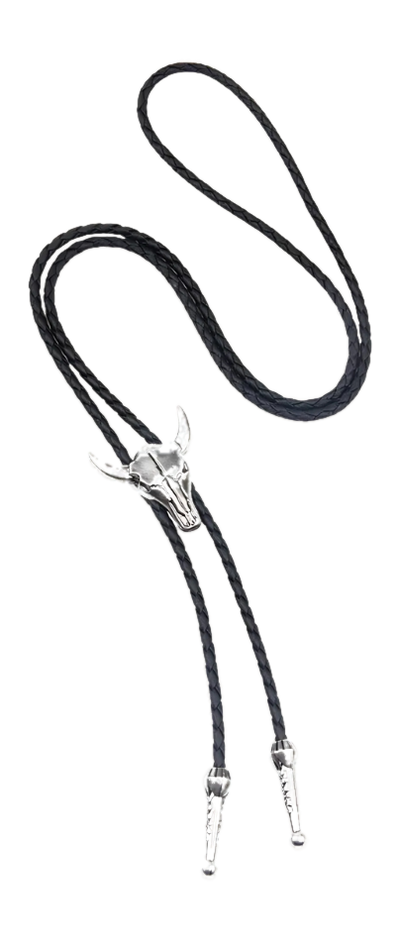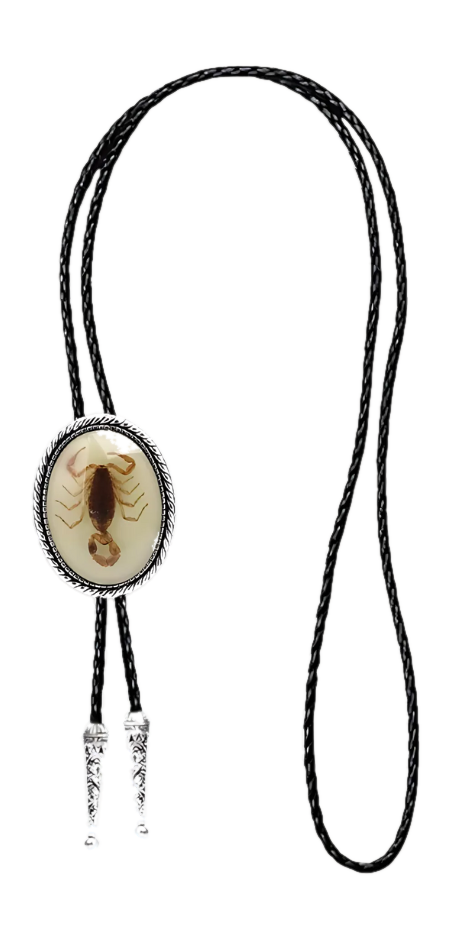
Collection: Leather Bolo Ties

Sorted by the Cord, Not the Slide

Every other collection here sorts bolo ties by what sits on the slide — stone, metal, motif. This one sorts by the part that rests on your neck. The rule is strict: a piece appears here only if its product listing names a leather cord. Forty-six of our 85 bolo ties pass it; a listing that says PU, says nothing, or hedges on leather keeps its piece off the page.

1. Length decides how it hangs

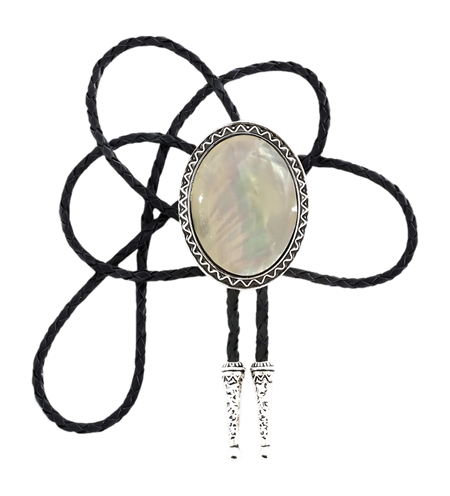
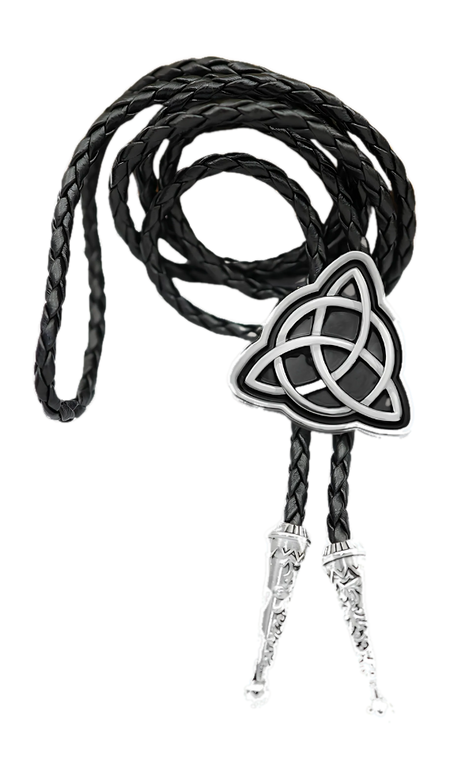
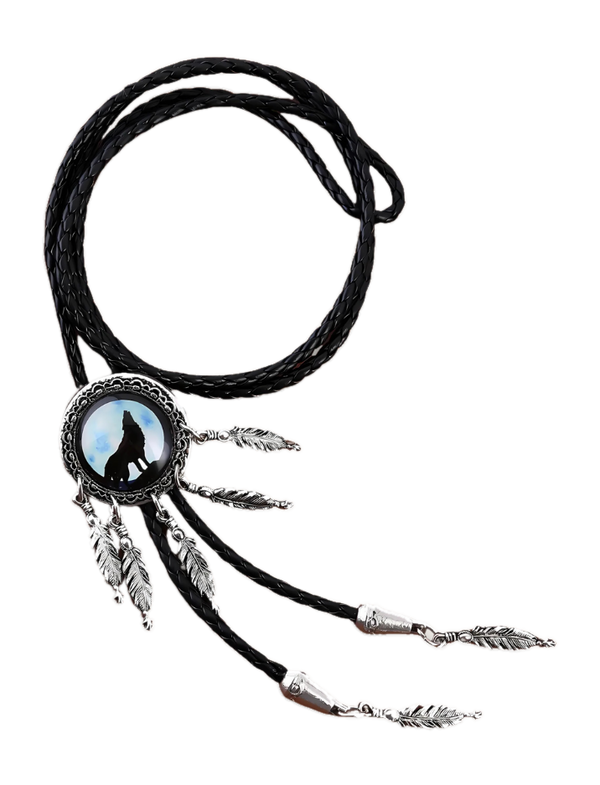
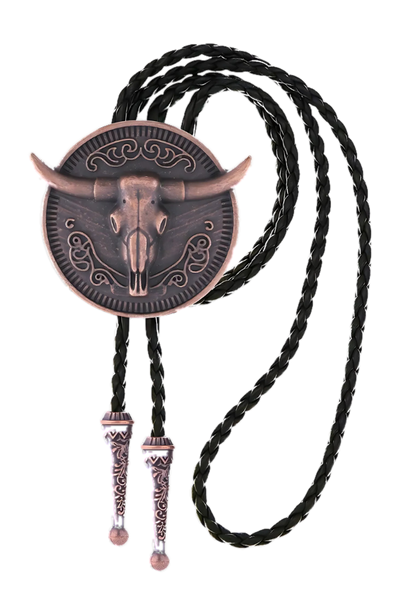
The spread runs from a 29.5-inch loop on the bull head and a 30-inch cord on the spider to 42.5 inches on the Celtic knot. Between them sit a middle band at 38 to 39.4 inches and a large 41.7-inch (106 cm) group — nineteen models, from the horse heads to the fox. Short cords hold the slide near an open collar and suit slighter builds; the 41.7-inch group leaves a longer tail and rewards height.

2. Braid and gauge, including the gaps

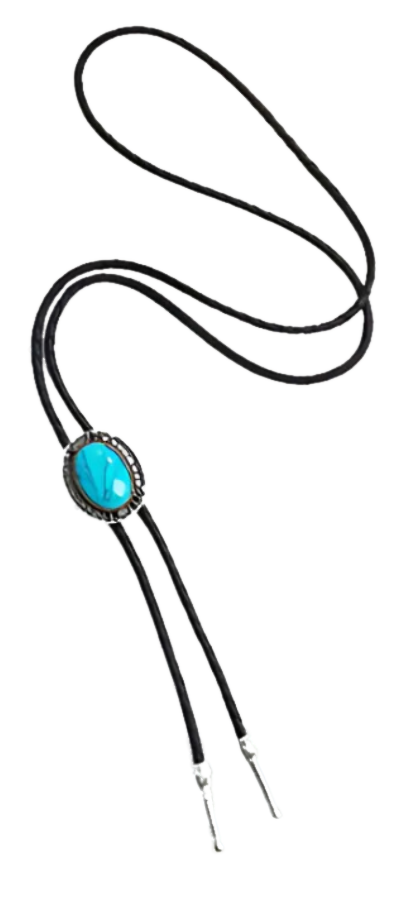
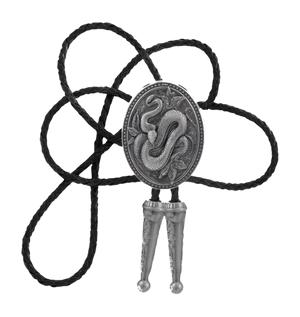
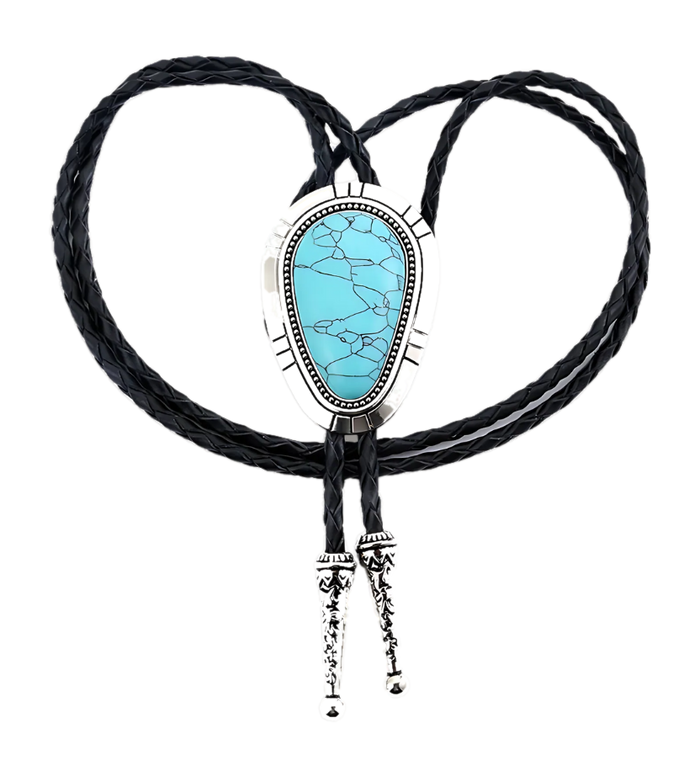
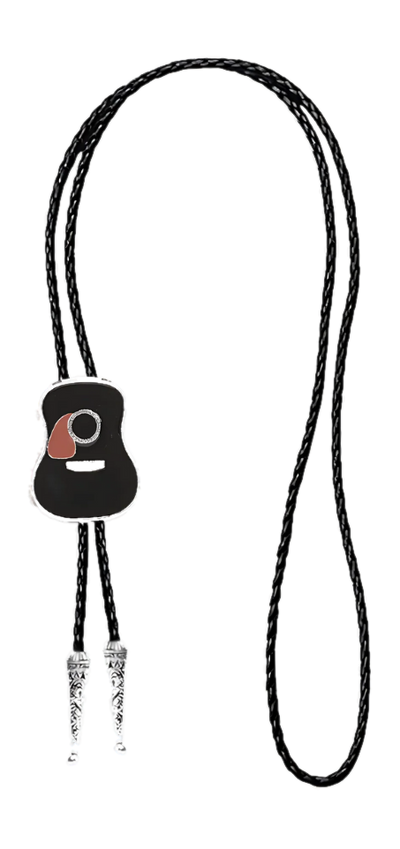
Almost every cord here is round braided, and where the supplier gives a gauge it is 0.16 inches (4 mm). The gaps matter as much as the figures: most listings skip the diameter, the spider and the bull name leather without a braid pattern, and the monogram's supplier photos show two different cords — a round plait in some shots, a thinner smooth cord in another. Where a listing is silent or contradicts itself, the product page reports the gap.

3. Cord color is the quiet variable

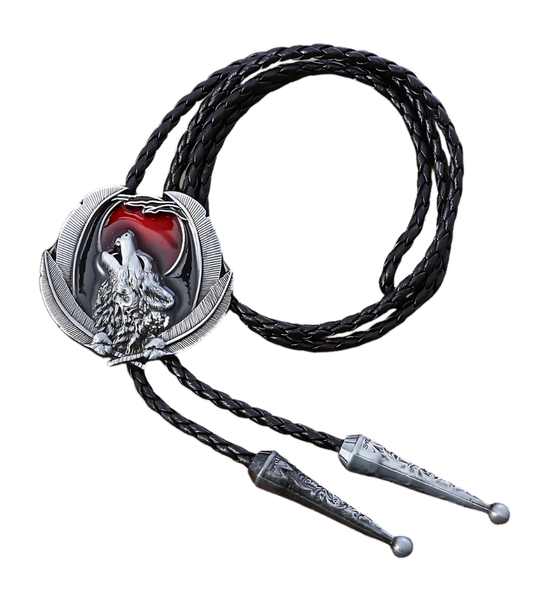
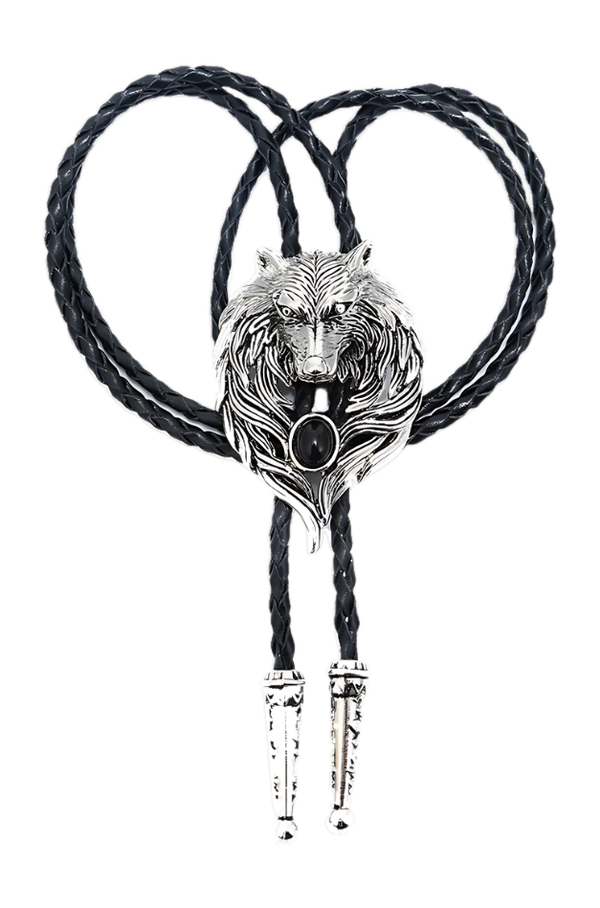
Only two listings state it: red or black on the snarling wolf, black or brown on the heart slide. Everywhere else the product photo carries the color, and we do not guess past it. When you do get the choice: black recedes against dark shirts and hands the attention to the slide; brown keeps its braid visible over light fabric and leans casual.

Who Says It's Leather

The supplier does. Each of these 46 cords is described as leather on its manufacturer listing, and that description is what our product pages carry — we have not sent samples to a lab, and we will not dress a factory spec sheet up as a certificate. The rule cuts both ways: three bolo ties whose listings claim leather but flag it as unverified stayed off this page, just as the PU cords did. The slides these cords carry are cast alloy, zinc on most, and the stones that appear are imitation, dyed or reconstituted. The cord line is on every product page — read it before you order.

Leather Cord Questions

Is the leather tested or certified?

No. Leather is the supplier's declaration, repeated as given. There is no lab report and no certificate of origin — and at this price point, a shop waving one around would be a reason for doubt, not comfort.

Why are only 46 of your 85 bolo ties here?

Because their listings say so. Among the pieces kept out: seven models corded in PU, nineteen with no cord material stated, three whose leather claim came hedged, an owl on velvet, a deer on a chain. Filing any of them under leather would be exactly the kind of claim this shop was rebuilt to avoid.

How can I check the cord myself when it arrives?

Look at the cut ends under the tips: leather shows layered fiber and slight irregularity, while PU tends to show a uniform skin over a fabric or foam core. If what you receive fails that look, our 14-day returns cover it — we would rather take a piece back than argue about the material.